
- Definition of a Hacker
- Types of Hacker
- Why Understanding Types Matter
- How to Become a White Hat Hacker
- FAQs on All Types of Hackers
- Conclusion
The term hacker is often misunderstood. In cybersecurity, a hacker is someone skilled in computer systems and networks. They use their knowledge to either protect or exploit these systems. This article explores who hackers are and explains the various types of hackers.
Definition of a Hacker
A hacker is a person who manipulates computer systems, software, or networks. They seek weaknesses in security to either fix problems or exploit them. The intent behind hacking defines the hacker’s role in cybersecurity.
Types of Hacker
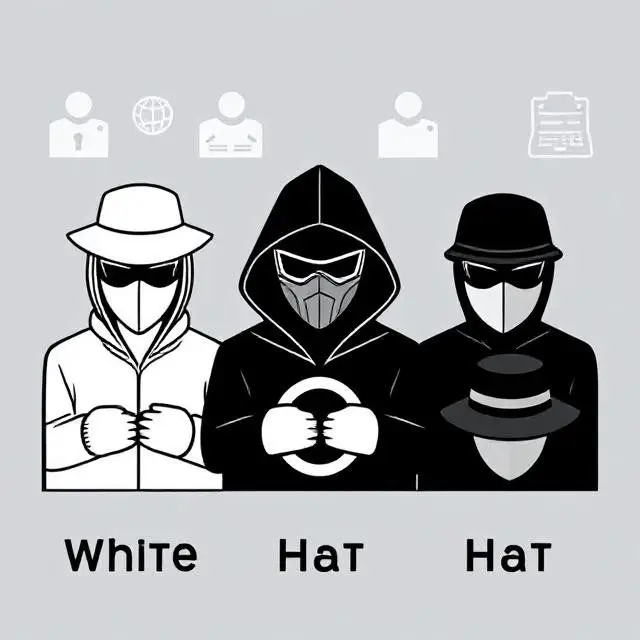
Hackers are categorized based on their motives and methods. The main hacker types include white hat, black hat, and grey hat hackers. Other categories exist depending on intentions and skills.
White Hat Hacker
Also called ethical hacker, white hats work to protect systems by finding vulnerabilities before malicious actors do. Companies hire them to strengthen security by penetration testing and vulnerability assessments.
Black Hat Hacker
Black hat hacker exploit systems illegally for personal or financial gain. They engage in data theft, system damage, malware deployment, and create serious cybersecurity threats.
Grey Hat Hacker
Grey hats are a blend of white and black hats. They may hack systems without permission but typically without malicious intent. Often they report vulnerabilities to organizations, sometimes requesting payment, which can be controversial.
Other Types of Hacker
Beyond the main three, additional types include:
- Script Kiddies: Novices using existing tools without deep knowledge.
- Hacktivists: Hackers promoting political or social causes.
- State-Sponsored Hackers: Government-backed agents conducting cyber espionage.
- Green Hat: Beginners learning hacking skills.
- Blue Hat: Security professionals hired for vulnerability testing.
- Red Hat: Vigilantes aiming to neutralize black hat hackers.
Why Understanding Types Matters
Knowing hacker types helps organizations build better defenses and informs ethical standards in cybersecurity. It also highlights the crucial role of white hats in safeguarding digital environments.
How to Become a White Hat Hacker
To become a white hat hacker, start with cybersecurity fundamentals, pursue certifications like CEH, practice in virtual labs, and always adhere to legal and ethical guidelines.
FAQs on All Types of Hackers
- Who is a hacker? A skilled individual manipulating computer systems to find weaknesses.
- What distinguishes white hat hacker? They hack legally to improve security.
- What do black hat hacker do? They exploit systems illegally for personal gain.
- Are grey hat hackers ethical? They operate in a legal and ethical gray area, often without permission.
- What are script kiddies? Novices using hacking tools without deep technical skills.
- Who are hacktivists? Hackers motivated by political or social causes.
- What is the role of state-sponsored hackers? They perform cyber espionage for governments.
- How can I become a white hat hacker? Study cybersecurity, obtain certifications, and practice ethically.
- Is hacking always illegal? No, ethical hacking is legal when authorized.
- What certifications are valuable for hackers? CEH, OSCP, and others.
- Do black hat hacker always cause harm? Yes, their intent is malicious.
- Can grey hat hacker cause damage? Sometimes unintentionally, but harm is usually not the goal.
- What is the difference between a grey hat and a white hat? Grey hats may hack without permission; white hats always have authorization.
- Why do companies hire white hat hacker? To proactively identify and fix vulnerabilities.
- What tools do hacker use? Tools vary, including Nmap, Metasploit, and custom scripts.
- Are all hackers criminals? No, many are ethical professionals.
- What is ethical hacking? Authorized testing of systems for security flaws.
- How do hacktivists differ from black hats? Hacktivists pursue ideological goals, black hats pursue personal gain.
- Can hacking be a career? Yes, in cybersecurity roles like penetration testing.
- How to protect against hacking? Use strong security measures, regular audits, and employee training.
Conclusion
Hacker shape cyberspace for better or worse based on their intent and methods. Understanding the diverse types of hackers helps bolster defenses and support ethical hacking careers. For more on cybersecurity careers, explore Coding Journey.
For additional credible information on cybersecurity and hackers, visit US-CERT.


